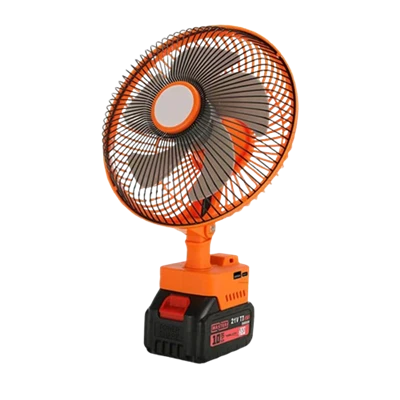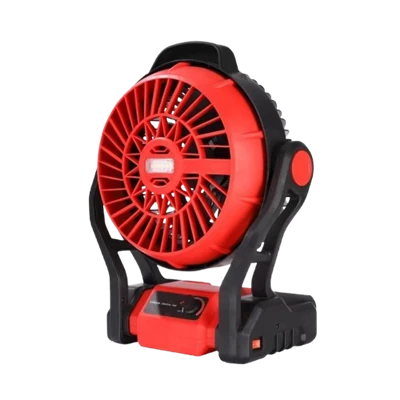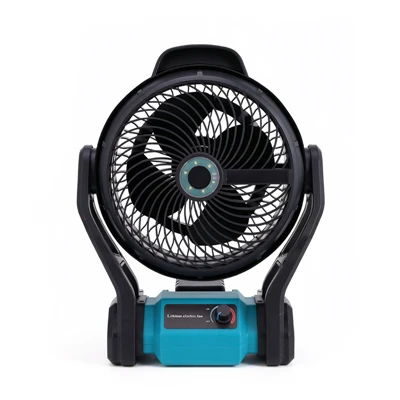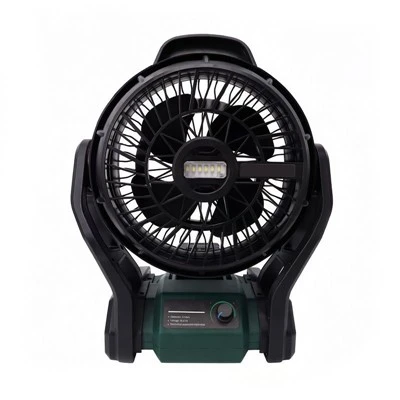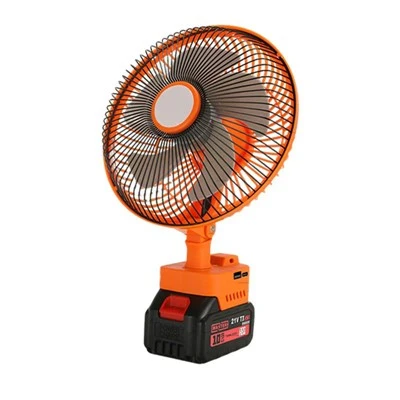

Floor fans are household appliances powered by AC motors. They are characterized by their large air volume and low noise. Powered by electricity, they generate airflow by rotating fan blades, making them suitable for ventilation and cooling in homes, warehouses, workshops, and other similar locations. Their upright stand design ensures stable placement on the ground, and they support multiple speed settings and oscillation functions, covering a wide range of applications.
Product sizes range from 12 inches to 20 inches. Size differences affect the airflow range and applicable scenarios. In environments without air conditioning, it is recommended to choose a larger size model to improve cooling efficiency. Capacitor motors are more energy-efficient than shaded-pole motors, and low-speed settings combined with a timer can further reduce energy consumption. Safety regulations must be followed during use, including prohibiting movement while the fan is plugged in and equipping it with a leakage protection device. Routine maintenance requires keeping the unit stable, regularly lubricating bearing components, and cleaning and storing in a dry environment when not in use to prevent aging.
The history of floor fans can be traced back to the 1950s. In 1955, one of China's earliest household appliance brands, the "Diamond" electric fan, was born in Guangzhou Nanyang Electric Appliance Factory, one of the earliest state-owned fan factories at the time. In the 1980s, floor fans, along with ceiling fans and table fans, became widely popular in China. Early products were primarily made of metal, were relatively bulky, and had simple controls.
In 1980, Midea began producing electric fans and launched its first metal fan that same year. Also in 1980, Diamond launched a 400mm table fan with timer control and a piano-key switch, winning a national silver award. In 1991, the Gree brand was established; its predecessor, Guanxiong Plastics Factory, turned a profit by producing plastic electric fans.