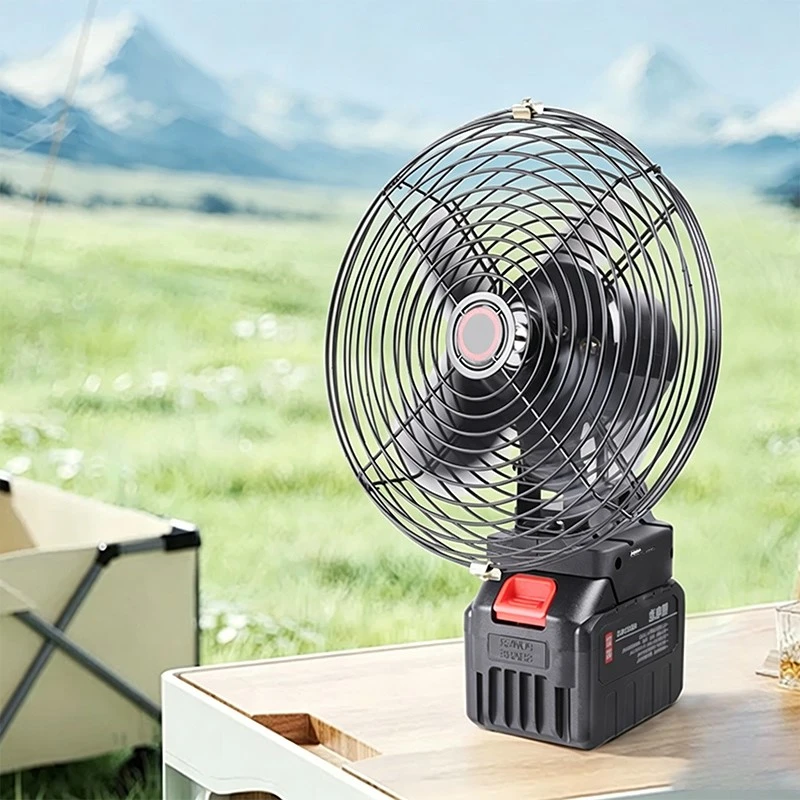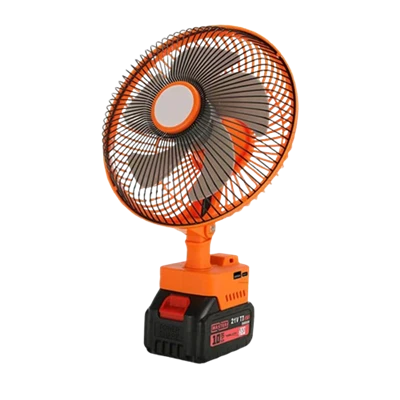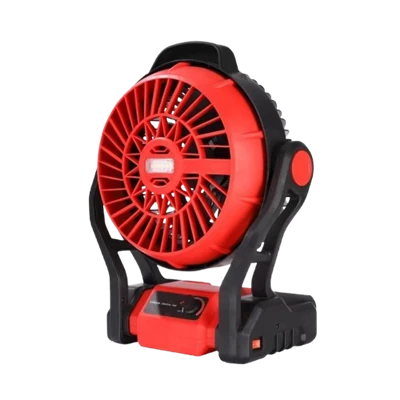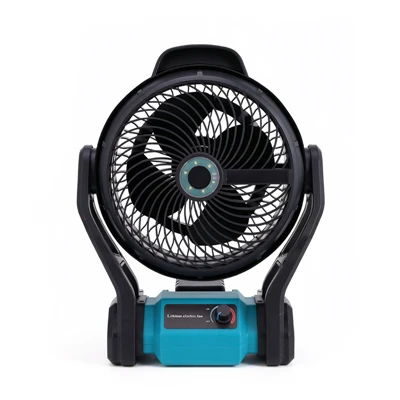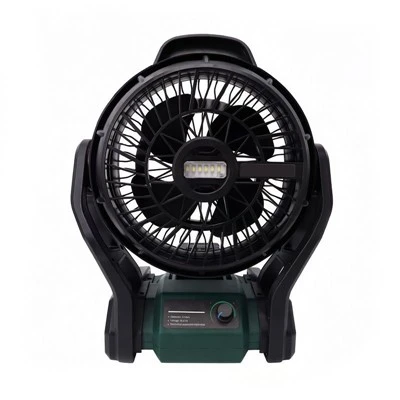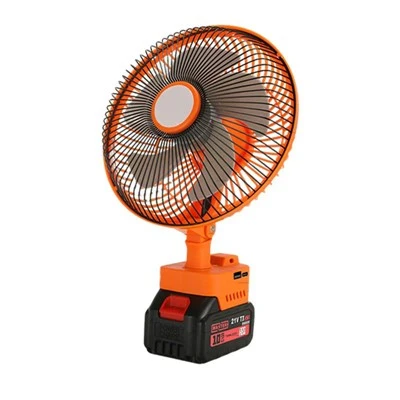

Gap Selection: Hold the fan head without blades and a fan guard with one hand, and gently pull the rotor shaft up and down with the other. If the vertical movement exceeds the thickness of a single sheet of paper, it's a poor product. A slight shift or no movement is ideal. Push and pull the rotor shaft; ideally, the movement should be less than half the thickness of a penny (the smaller the better, but not too tight). Otherwise, the tilting oscillation will produce more noise.
Noise Selection: Before installing blades, start the fan on high speed and allow it to oscillate. Stand about 50 cm away from the fan head and listen to the motor noise. Intermittent sputtering or buzzing sounds are undesirable. Ideally, the noise should be weak and uniform.
With blades and a fan guard installed, direct the airflow. Use two fingers to press against the large ring of the fan guard, keeping your fingers about 0.5 mm away. If the fan guard vibrates and touches your hand, it indicates an imbalance in the blades, which will increase noise. If this method is difficult to master, you can also observe the shadows of the fan blades on both the front and back sides as they rotate (the shadows cast by the blades during operation, specifically the shadows formed by the highest point of the blades at high speed, commonly called shadow images). First, observe the front shadow image. If one line appears, it's the best product. If two lines appear, and the distance between them is wider, it indicates an imbalance in the three blades, causing the fan guard to vibrate, especially at downward angles. Observe the back shadow image using the same method.
Sensitivity Selection: With the fan head tilted at approximately 20°, press the slow setting and zero setting six times consecutively over 2-3 seconds. If the fan blades do not start, it indicates poor starting performance.
After starting on slow setting for about 30 seconds, immediately press zero setting. An ideal fan should show the blades rotating several revolutions due to inertia.
Timer Check: First, turn the knob to one small increment (5 minutes). You should hear the ticking sound inside the clock (listen closely); otherwise, it's a substandard product.