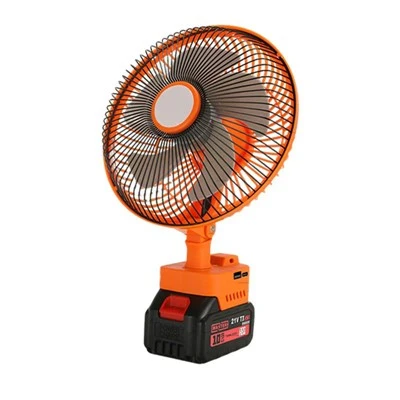

When selecting a fan, the type must be determined based on the specific application, such as explosion-proof axial flow fans, explosion-proof centrifugal fans, explosion-proof roof fans, etc., and parameters such as air volume, number of fans, and air pressure must be calculated. Simultaneously, based on the application environment and different requirements for air volume, pressure, and noise, specific forms such as axial flow, centrifugal, or motorless turbine exhaust fans can be selected.
Explosion-proof fans require selection of appropriate explosion-proof motor ratings based on explosive environments, such as Class I coal mine underground environments and Class II other gas environments, such as EX-DIIBT4 or EX-DIICT4. It is also necessary to confirm whether the equipment has obtained the corresponding explosion-proof certification, such as ATEX or IECEx.
For corrosive environments such as petrochemical plants, materials with excellent corrosion resistance should be selected, such as stainless steel, fiberglass, and titanium alloys. Furthermore, rotating and stationary parts should be made of mating materials that do not produce sparks upon contact. Surface treatments such as Teflon coating or epoxy resin coating can be used to enhance corrosion resistance.
When selecting and installing equipment, specific environmental factors such as operating temperature, humidity, and the medium must be considered. These factors affect the operation and lifespan of the equipment, necessitating proper design and selection.
The installation location should be well-ventilated, dry, and free of corrosive gases, ensuring the stability and safety of the equipment. During installation, care must be taken to prevent rotating parts from rubbing against adjacent stationary parts to avoid sparks. For specific types such as roof ventilators, attention should be paid to their transmission method (e.g., direct-drive motor) and maintenance methods (e.g., disassembly of the ventilator cap).
After installation, a comprehensive inspection is required, including checking the motor insulation, junction box sealing, fan blade condition, protective cover condition, and casing condition. A regular maintenance system should be established, including cleaning, component replacement, and operating parameter adjustments, with maintenance information recorded.