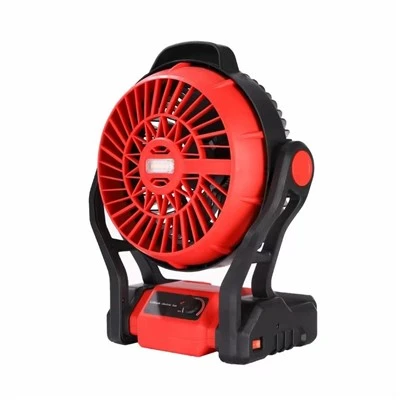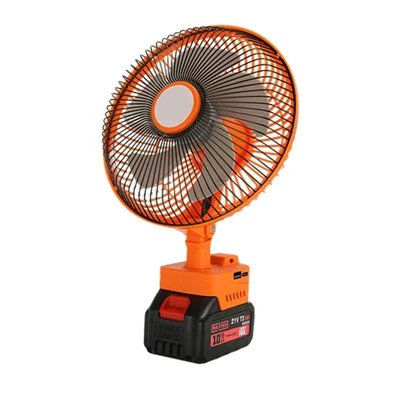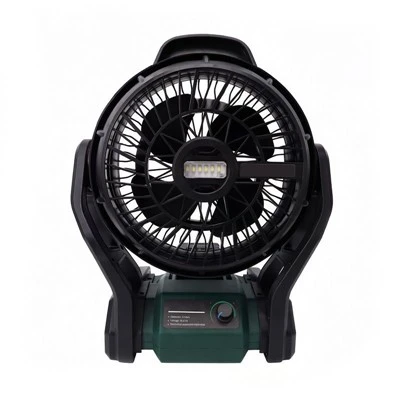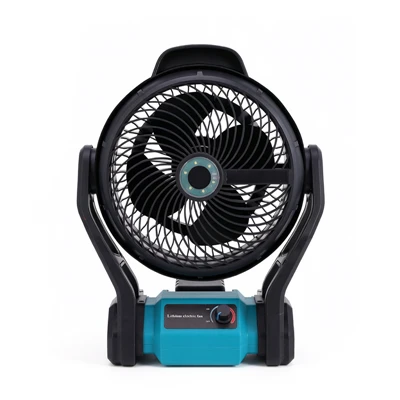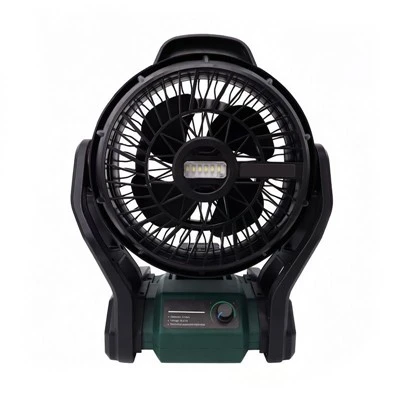


As a supplier of indoor wall fans, I understand the importance of safety features in these products. Indoor wall fans are a popular choice for many households and commercial spaces due to their convenience and ability to provide targeted airflow. However, ensuring the safety of users is paramount, which is why I'm here to discuss the essential safety features that an indoor wall fan should have.
Sturdy Mounting and Installation
One of the primary safety concerns with indoor wall fans is their stability. A well - designed wall fan should come with a robust mounting system. The fan's bracket should be made of high - quality materials such as heavy - gauge steel or strong plastic. This ensures that the fan remains securely attached to the wall, even when it's operating at high speeds.
For example, our wall fans are equipped with a multi - point mounting system that distributes the weight evenly across the wall. This reduces the risk of the fan falling off, which could cause serious injury. Before installation, it's crucial to follow the manufacturer's instructions carefully. The wall on which the fan is to be installed should be able to support the weight of the fan. Usually, a solid brick or concrete wall is the best choice. If the fan is installed on a drywall, additional reinforcement may be required.
Protective Grilles
Another vital safety feature is the protective grille. The grille serves as a barrier between the moving blades of the fan and the user. It prevents fingers, clothing, or other objects from getting caught in the blades, which can lead to serious injuries.
Our indoor wall fans are designed with a fine - mesh grille that provides maximum protection. The gaps in the grille are small enough to prevent small objects from passing through, but large enough to allow adequate airflow. The grille is also made of durable materials that can withstand impacts. Over time, it's essential to check the grille for any signs of damage, such as loose wires or bent bars. If the grille is damaged, it should be replaced immediately to maintain the safety of the fan.
Overheat Protection
Overheating is a significant safety hazard for electrical appliances, including indoor wall fans. When a fan overheats, it can cause damage to the motor, and in extreme cases, it can even start a fire.
That's why our wall fans are equipped with overheat protection mechanisms. These mechanisms are designed to automatically shut off the fan when the motor temperature exceeds a safe level. This not only protects the fan from damage but also ensures the safety of the users. The overheat protection feature is a crucial addition, especially in situations where the fan may be running for extended periods or in a poorly ventilated area.
Stable and Non - Slip Base (if applicable)
Some indoor wall fans can also be used in a portable or desk - top manner with an attached base. In such cases, a stable and non - slip base is essential. The base should be heavy enough to keep the fan steady and prevent it from tipping over.
Our fans with removable bases are designed with a wide - stance and a non - slip rubber material on the bottom. This provides additional stability, even if the fan is placed on a slightly uneven surface. When using the fan in a portable mode, it's important to always ensure that the base is properly attached and the fan is placed on a flat and stable surface.
Low - Voltage Operation
Low - voltage operation is another safety feature to consider. Fans operating on low voltage are generally safer because they pose a lower risk of electrical shock. In addition, low - voltage fans are more energy - efficient, which can save on electricity costs in the long run.
Our indoor wall fans are designed to operate on low voltage, making them suitable for a variety of indoor environments, including homes with children or in areas where electrical safety is a primary concern. They are also compatible with various power sources, providing flexibility to the users.
Timer Function
A timer function is a useful safety feature that can be added to an indoor wall fan. This feature allows the user to set the fan to run for a specific period. After the set time has elapsed, the fan will automatically turn off.
This is not only convenient but also safe as it prevents the fan from running continuously, which can lead to overheating. For example, a user can set the fan to run for an hour while they sleep, and then it will turn off on its own, reducing the risk of potential electrical problems.
Remote Control and Touch - Sensitive Controls
Remote control and touch - sensitive controls can enhance safety by reducing the need for the user to come into direct contact with the fan. With a remote control, the user can turn the fan on or off, adjust the speed, and change the direction of the airflow from a distance.
Touch - sensitive controls are also a great option as they eliminate the need for physical buttons, which can be easily damaged. This reduces the risk of electrical shorts and makes the fan safer to use. Our wall fans come with both remote control and touch - sensitive control options, providing users with a convenient and safe way to operate the fan.

Encased Electrical Components
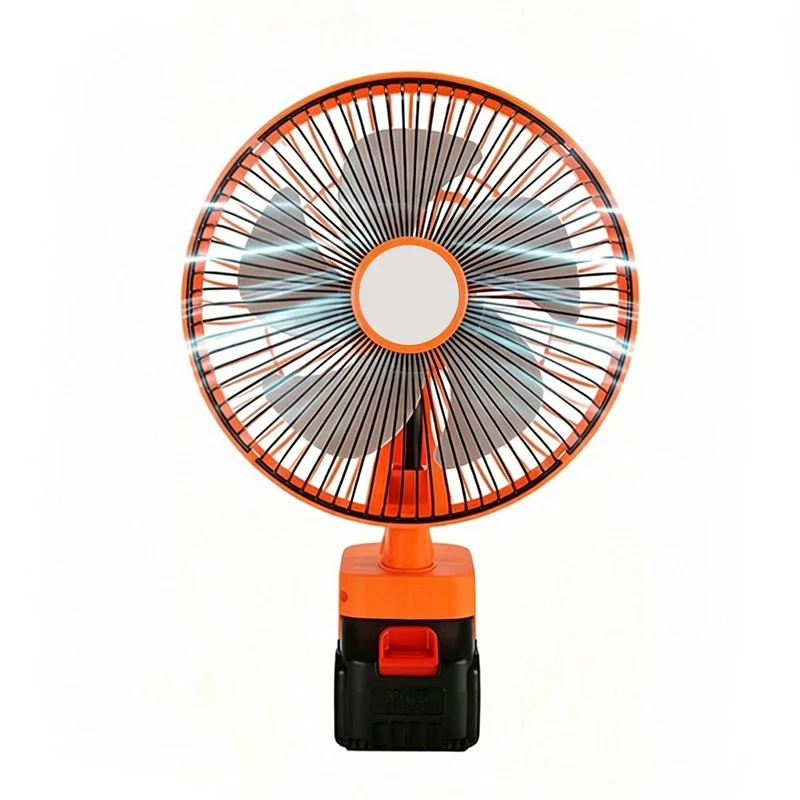
All electrical components of the indoor wall fan, such as the wiring, capacitor, and motor, should be properly encased. This protects the user from coming into contact with live electrical parts, which can cause electrical shock.
Our wall fans are designed with a fully enclosed electrical system. The casing is made of a non - conductive material that provides an extra layer of protection. Regular inspections of the electrical components are also recommended to ensure that the casing remains intact and there are no signs of wear or damage.
Dual - Speed or Variable - Speed Options
Having dual - speed or variable - speed options on an indoor wall fan is a safety - related feature as well. This allows the user to adjust the fan speed according to their needs. In some situations, a lower speed may be sufficient, while in others, a higher speed may be required.
By being able to control the speed, the user can prevent the fan from operating at an unnecessarily high speed, which can increase the risk of mechanical failure and overheating. Our fans offer a wide range of speed options, giving users the flexibility to choose the most appropriate speed for their environment.
Compliance with Safety Standards
Finally, it's essential that indoor wall fans comply with relevant safety standards. These standards are set by regulatory bodies to ensure the safety and quality of electrical appliances.
Our wall fans meet all the necessary safety standards, including UL (Underwriters Laboratories) and CE (Conformité Européene). This means that they have been tested and approved to meet strict safety requirements, giving our customers peace of mind when using our products.
In conclusion, as a supplier of indoor wall fans, we prioritize safety in all our products. We offer a wide range of wall fans with various safety features to meet the diverse needs of our customers. Whether you are looking for Large Indoor Fans, Quiet Indoor Fan, Cordless Floor Fan, Rechargeable Fan with Built in Battery, or Interior Fans with Lights, you can be assured of the safety and quality of our products.
If you are interested in purchasing our indoor wall fans or have any questions regarding our products, we encourage you to contact us for procurement and negotiation. We are committed to providing the best products and services to our customers.
References
- Electrical Safety Foundation International. (2023). Electrical safety tips for home appliances.
- Underwriters Laboratories. (2023). Standards for electrical equipment safety.
- Conformité Européene. (2023). CE marking guidelines for electrical products.