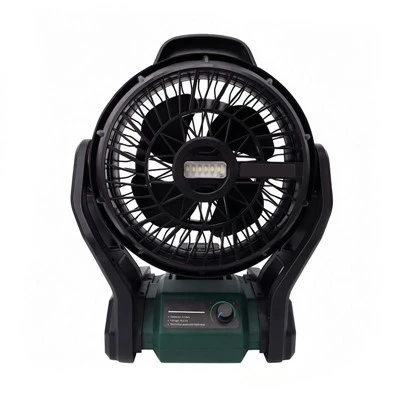


Do camping cooler fans work in high - altitude areas?
Hey there, fellow camping enthusiasts! I'm [Your Name], and I run a business supplying top - notch Camping Cooler Fan. Over the years, I've received tons of questions from customers about using our products in different environments. One question that comes up quite often is whether camping cooler fans work well in high - altitude areas. Let's dig into this topic and find out!
The Basics of High - Altitude Environments
Before we talk about how camping cooler fans fare in high - altitude areas, let's understand what makes these places different from low - lying areas. High - altitude areas typically have lower air pressure. As you go up in elevation, the air gets thinner, which means there are fewer air molecules per volume of air.
This decrease in air pressure also affects temperature. Generally, the higher you go, the colder it gets. However, high - altitude areas can also experience large temperature swings between day and night. During the day, the sun can shine quite strongly because there's less atmosphere to filter the sunlight, leading to relatively warm temperatures. But at night, the lack of a thick insulating layer of air can cause the heat to radiate away quickly, resulting in cold temperatures.
How Camping Cooler Fans Work
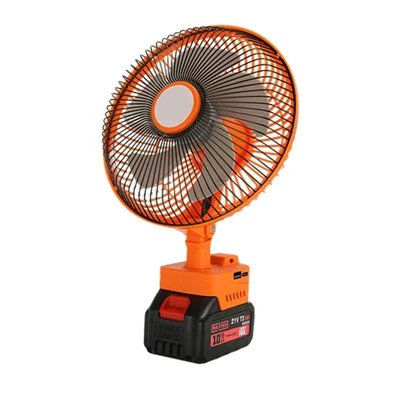
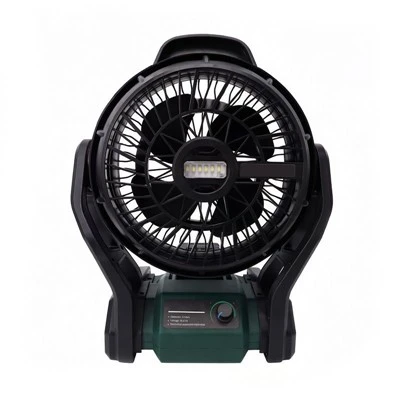
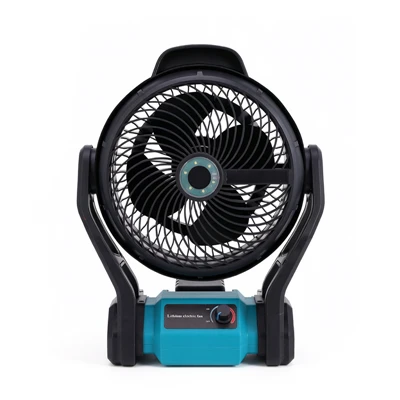
Camping cooler fans are designed to provide a stream of cool air to keep you comfortable during your outdoor adventures. These fans work by pulling in air from the surrounding environment and then blowing it out in a directed stream. Some camping cooler fans come with additional features like misting or evaporative cooling, which can enhance the cooling effect.
The power source for these fans can vary. You can find fans that run on batteries, which are great for remote camping locations where there's no access to electricity. There are also fans that can be plugged into a car's cigarette lighter or a portable power bank. This flexibility makes camping cooler fans a popular choice for campers.
The Impact of High - Altitude on Fan Performance
Now, let's get to the main question: do camping cooler fans work in high - altitude areas? The short answer is yes, but with some caveats.
Airflow
Because the air is thinner at high altitudes, the amount of air that a fan can move might be slightly reduced. In normal conditions, a fan works by pushing a certain volume of air. But at high altitudes, since there are fewer air molecules, the total mass of the air being moved decreases. This might make the fan seem a bit less powerful compared to when it's used at sea level. However, most modern camping cooler fans are designed with powerful motors, and the reduction in airflow is usually not significant enough to make the fan completely ineffective.
Cooling Effect
The cooling effect of a camping cooler fan also depends on the relative humidity and temperature. At high altitudes, the air is generally drier. If the fan has an evaporative cooling feature, it can work quite well in these dry conditions. Evaporative cooling works by using the moisture in the air to cool the air stream. In dry air, the water evaporates more quickly, leading to a better cooling effect.
On the other hand, if the high - altitude area is cold, the main function of the fan might need to be adjusted. Instead of providing a cooling breeze, the fan can be used to circulate warm air if you're using a heater in your tent or camping area.
Our Product Range and Suitability for High - Altitude Areas
At our company, we offer a wide range of camping cooler fans that are suitable for high - altitude camping.
Our Outdoor Portable Cooling Fans are lightweight and easy to carry, making them perfect for hiking up to high - altitude campsites. These fans are equipped with powerful motors that can still provide a decent airflow even in thin air.
The Weather Proof Outdoor Fan is another great option. High - altitude areas can be unpredictable when it comes to weather, with sudden rain or gusty winds. This fan is designed to withstand these elements, so you don't have to worry about it getting damaged during your camping trip.
If you're camping in a gazebo or tent, our Fan For Gazebo Tent is a great choice. It can be easily installed and provides effective air circulation, whether you need to cool off during the day or warm up at night.
For those who prefer a quiet environment, our Silent Outdoor Fan is ideal. The last thing you want is a noisy fan disturbing the peace and quiet of the high - altitude wilderness.
Tips for Using Camping Cooler Fans in High - Altitude Areas
Here are some tips to get the most out of your camping cooler fan in high - altitude areas:

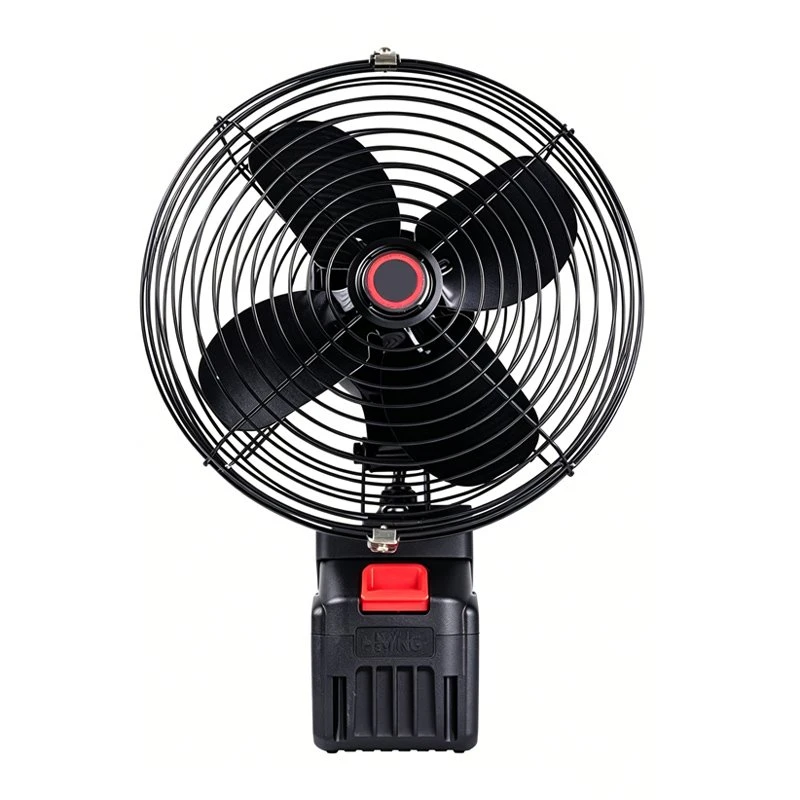
- Charge Your Batteries Fully: Since there might not be easy access to power sources at high altitudes, make sure your fan's batteries are fully charged before you head out.
- Position the Fan Strategically: Place the fan in a way that maximizes air circulation. For example, if you're using it in a tent, position it near the entrance to draw in fresh air.
- Adjust the Fan Settings: Depending on the temperature, you can adjust the fan speed and mode. If it's cold at night, you might want to set the fan on a lower speed to circulate warm air.
Conclusion and Call to Action
In conclusion, camping cooler fans do work in high - altitude areas, although there might be some minor differences in performance due to the thin air. But with the right fan and some simple tips, you can enjoy a comfortable camping experience even at high altitudes.
If you're planning a high - altitude camping trip and need a reliable camping cooler fan, we've got you covered. Our wide range of products is designed to meet your needs and ensure your comfort in any outdoor environment. Whether you're a seasoned camper or just starting out, our camping cooler fans are a great addition to your camping gear.
If you're interested in purchasing our camping cooler fans or have any questions about our products, feel free to reach out. We're always happy to help you find the perfect fan for your next adventure.
References
- "The Physics of High - Altitude Environments" - Physics Today
- "Camping Gear and Its Performance in Extreme Environments" - Outdoor Living Magazine
- "How Fans Work: A Technical Overview" - Engineering Journal