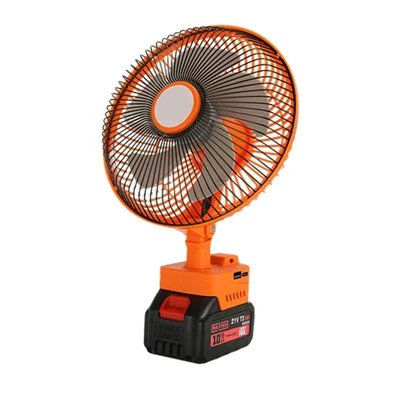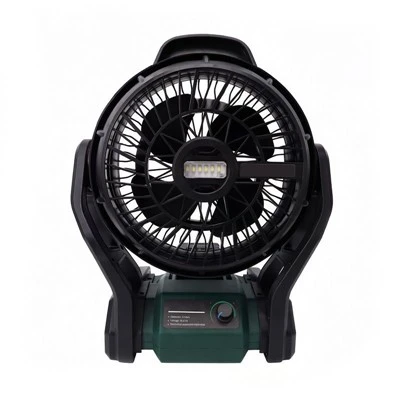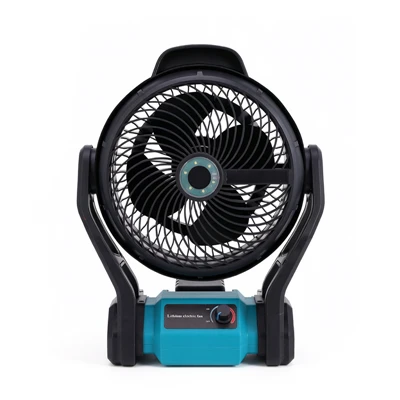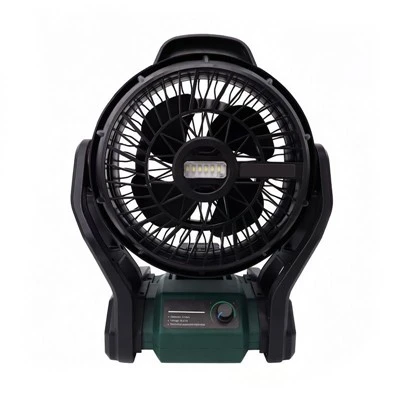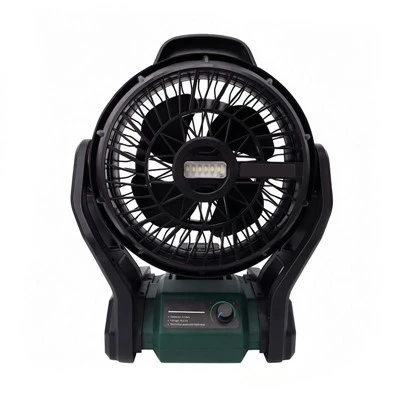


When it comes to indoor comfort, an indoor floor fan is an essential appliance for many households and offices. One of the key aspects that often piques the curiosity of consumers is the rotation speed of an indoor floor fan's blades. As a leading supplier of indoor floor fans, I'm here to shed some light on this topic and provide you with a comprehensive understanding of what goes into the rotation speed of these fans.
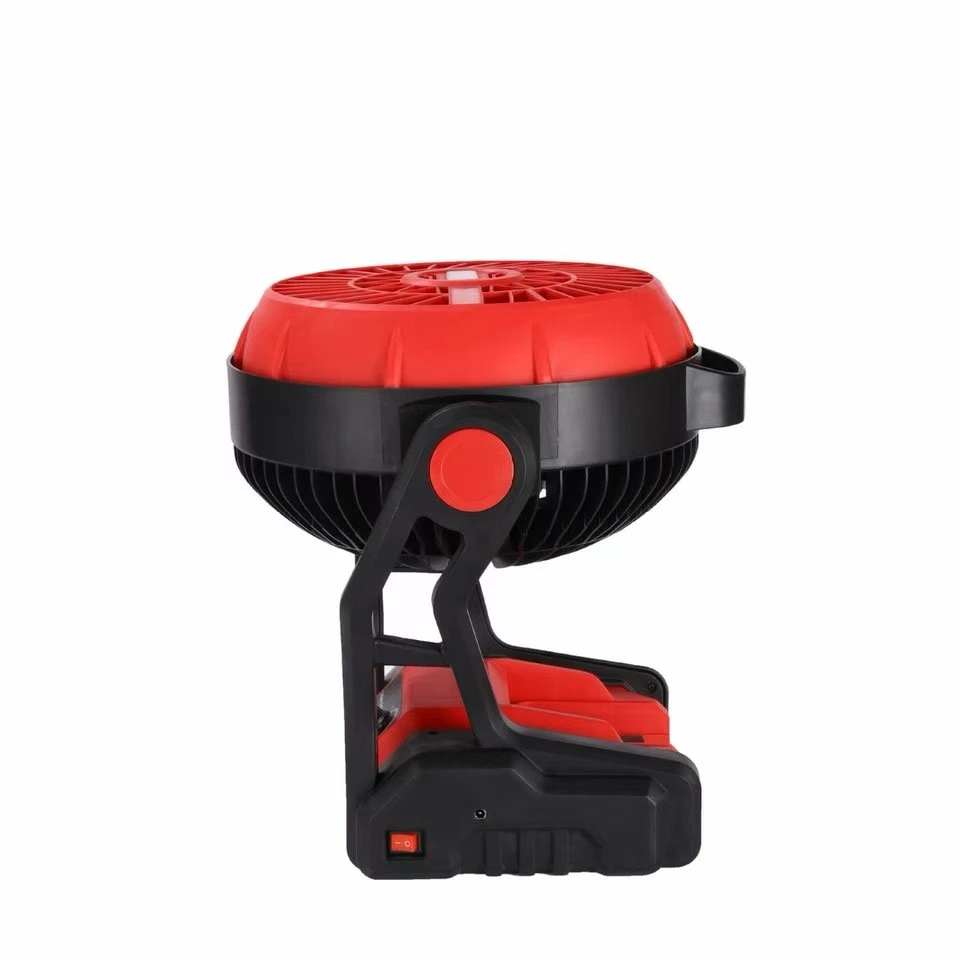
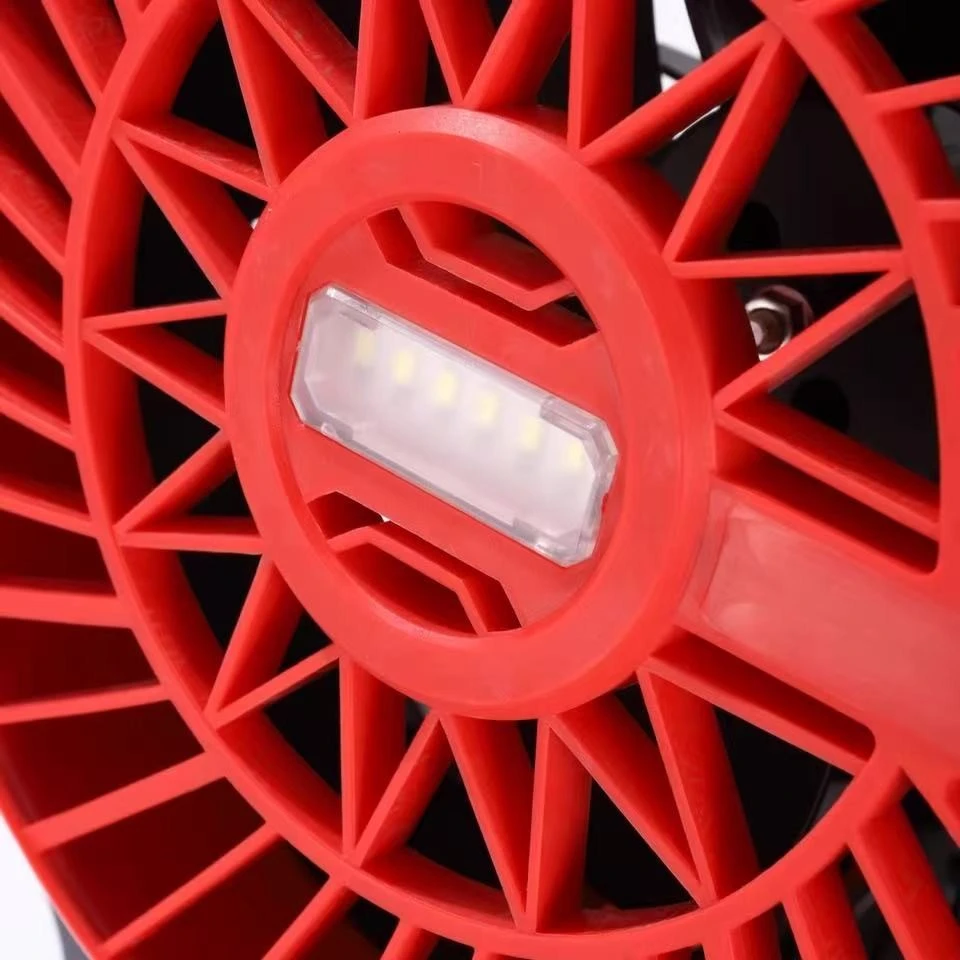
Understanding the Basics of Fan Blade Rotation Speed
The rotation speed of an indoor floor fan's blades is typically measured in revolutions per minute (RPM). This metric indicates how many complete circles the fan blades make in one minute. A higher RPM generally means that the fan can move more air, resulting in a stronger breeze. However, the relationship between RPM and air movement is not always straightforward, as other factors such as blade design, size, and pitch also play crucial roles.
Factors Affecting Fan Blade Rotation Speed
Motor Power
The motor is the heart of any fan, and its power directly influences the rotation speed of the blades. A more powerful motor can spin the blades at a higher RPM, allowing the fan to move more air. At our company, we offer a wide range of indoor floor fans with different motor powers to meet the diverse needs of our customers. Whether you're looking for a gentle breeze for a small room or a powerful gust for a large space, we have the right fan for you.
Blade Design
The design of the fan blades also has a significant impact on the rotation speed and air movement. Blades with a more aerodynamic shape can cut through the air more efficiently, reducing drag and allowing the motor to spin the blades at a higher RPM. Additionally, the number of blades can affect the performance of the fan. Fans with more blades tend to produce a quieter and more consistent airflow, while fans with fewer blades may generate a more powerful but less uniform breeze.
Fan Size
The size of the fan is another important factor to consider. Larger fans generally have larger blades, which can move more air at a lower RPM compared to smaller fans. However, larger fans may also require more power to operate, so it's important to choose a fan that is appropriate for the size of the room.
Different Types of Indoor Floor Fans and Their Rotation Speeds
Standard Indoor Floor Fans
Standard indoor floor fans typically have a rotation speed ranging from 800 to 1,500 RPM. These fans are suitable for most indoor spaces, providing a comfortable and refreshing breeze. They are often equipped with multiple speed settings, allowing you to adjust the airflow according to your needs.
High-Speed Indoor Floor Fans
For those who need a more powerful breeze, high-speed indoor floor fans are a great option. These fans can rotate at speeds of up to 2,000 RPM or more, delivering a strong and forceful airflow. They are ideal for large rooms or areas where quick ventilation is required.
Oscillating Indoor Floor Fans
Oscillating indoor floor fans are designed to rotate from side to side, distributing the airflow over a wider area. The rotation speed of the blades on an oscillating fan is similar to that of a standard fan, but the oscillating feature allows the fan to cover a larger space.
Importance of Rotation Speed in Indoor Floor Fans
The rotation speed of an indoor floor fan is an important factor to consider when choosing a fan. A higher rotation speed generally means that the fan can move more air, providing a stronger and more comfortable breeze. This is especially important in hot and humid environments, where a powerful airflow can help to reduce the perceived temperature and improve comfort.
In addition to providing a comfortable breeze, a high rotation speed can also help to improve air circulation in a room. This can help to reduce the buildup of stale air, odors, and pollutants, creating a healthier and more pleasant indoor environment.
Our Indoor Floor Fan Products and Their Rotation Speeds
As a supplier of indoor floor fans, we offer a wide range of products to meet the diverse needs of our customers. Here are some of our popular indoor floor fan models and their rotation speeds:
- Alfa Table Fan: This compact and stylish table fan is perfect for small spaces. It has a rotation speed of up to 1,200 RPM, providing a gentle and refreshing breeze. Click here to learn more.
- Rechargeable Fan with Built in Battery: This innovative fan is powered by a built-in battery, allowing you to use it anywhere without the need for a power outlet. It has a rotation speed of up to 1,500 RPM, providing a strong and consistent airflow. Click here to learn more.
- Interior Fans with Lights: This unique fan combines the functionality of a fan with the convenience of a light. It has a rotation speed of up to 1,300 RPM, providing a comfortable and well-lit environment. Click here to learn more.
- Cordless Foldable Portable Fan: This portable fan is designed for on-the-go use. It is cordless and foldable, making it easy to carry and store. It has a rotation speed of up to 1,400 RPM, providing a powerful and refreshing breeze. Click here to learn more.
- Cordless Rechargeable Fan: This cordless fan is powered by a rechargeable battery, providing a long-lasting and convenient solution for indoor cooling. It has a rotation speed of up to 1,600 RPM, delivering a strong and consistent airflow. Click here to learn more.
Conclusion
The rotation speed of an indoor floor fan's blades is an important factor to consider when choosing a fan. It determines the amount of air that the fan can move and the strength of the breeze that it can provide. By understanding the factors that affect fan blade rotation speed and choosing a fan with the right RPM for your needs, you can ensure that you have a comfortable and refreshing indoor environment.
If you're interested in purchasing an indoor floor fan, we invite you to explore our wide range of products. Our team of experts is always available to help you choose the right fan for your needs and provide you with the best possible service. Contact us today to start the procurement negotiation process and take the first step towards a more comfortable indoor environment.
References
- "Fan Basics: How Fans Work." Energy.gov.
- "Understanding Fan Performance: CFM, RPM, and More." HVAC School.
- "The Science of Fans: How They Work and Why They Matter." Popular Mechanics.