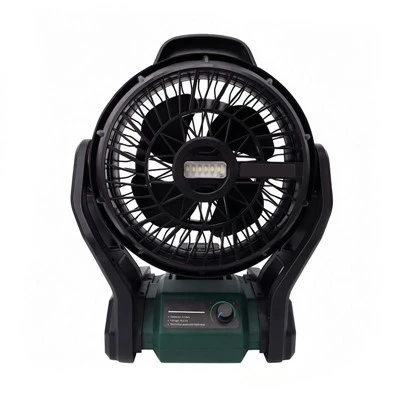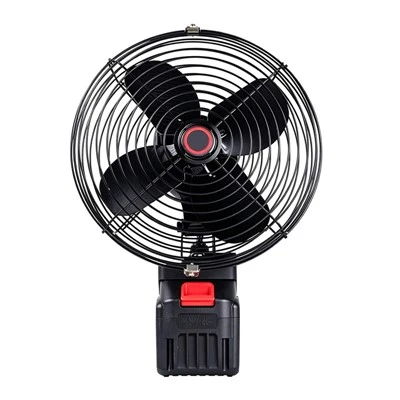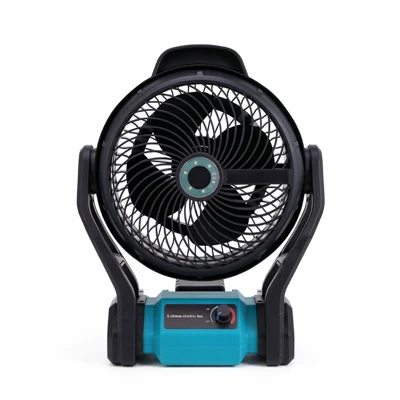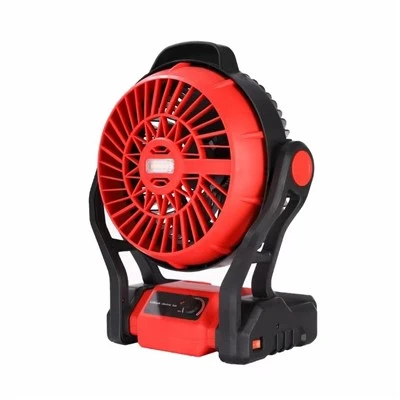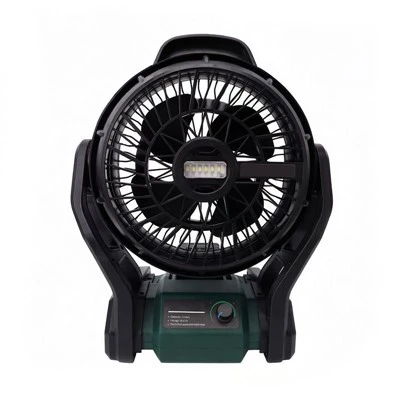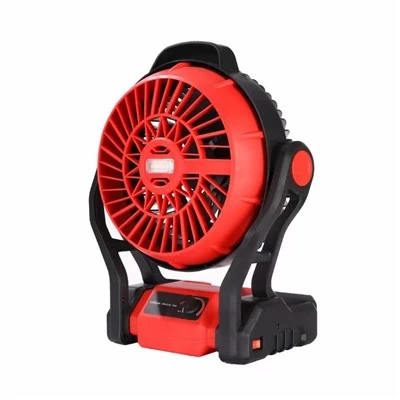


What is the Power Consumption of an Outdoor Cool Air Fan?
As a supplier of outdoor cool air fans, I'm often asked about the power consumption of these essential summer tools. Understanding the power consumption of an outdoor cool air fan is crucial for several reasons, including cost - efficiency, environmental impact, and ensuring a long - lasting power source for continuous operation.
Factors Affecting Power Consumption
- Fan Size and Design
Larger fans generally consume more power than smaller ones. The diameter of the fan blades plays a significant role. A bigger blade needs more energy to rotate at a given speed, as it has to move a larger volume of air. For example, an industrial - sized outdoor fan with a blade diameter of 36 inches will consume considerably more electricity than a small, personal - sized fan with a 6 - inch blade.
The design of the fan also matters. Fans with multiple blades or complex blade shapes may require more power to operate. A fan with a high - pitched blade design that is optimized for maximum air movement will use more energy compared to a basic, flat - blade design.
-
Motor Efficiency
The motor is the heart of the fan, and its efficiency directly impacts power consumption. High - quality motors are designed to convert electrical energy into mechanical energy (blade rotation) with minimal loss. A well - engineered motor can run the fan blades smoothly while using less power. In contrast, a low - quality motor may waste a significant amount of energy as heat, resulting in higher power consumption.
When we manufacture our outdoor cool air fans, we source motors from reliable suppliers known for their high efficiency. This not only reduces the power consumption of our fans but also extends the lifespan of the product.
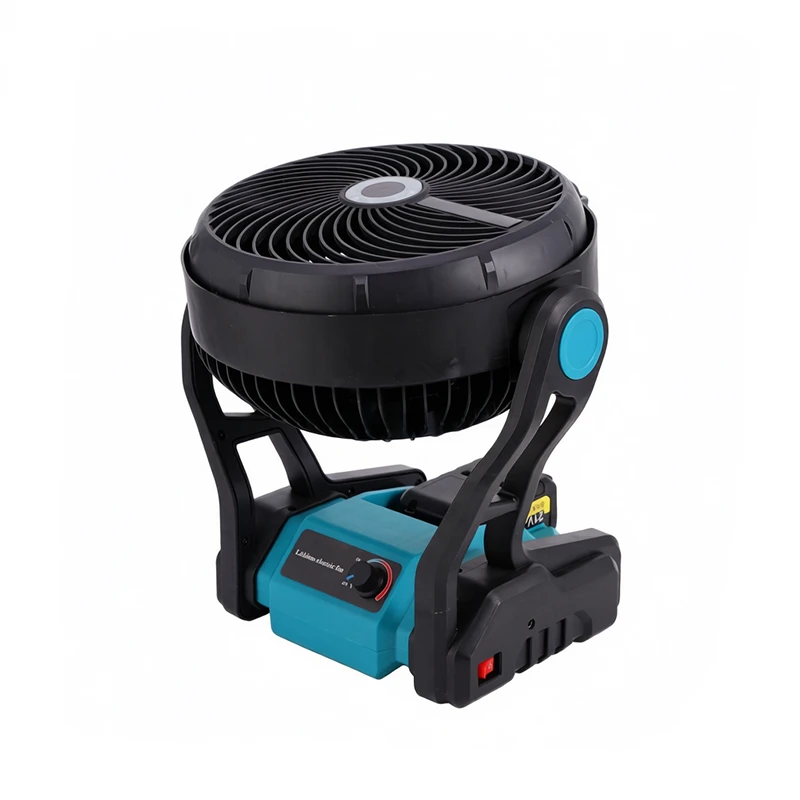
-
Speed Settings
Most outdoor cool air fans come with multiple speed settings. Naturally, the higher the speed setting, the more power the fan will consume. At the lowest speed, the motor has to work less hard to turn the blades, so the energy usage is relatively low. As you increase the speed, the motor has to generate more torque to spin the blades faster, which requires more electrical power.
For example, if you set your fan to the lowest speed, it might consume around 20 - 30 watts of power. But when you switch it to the highest speed, the power consumption could jump to 80 - 100 watts or even more, depending on the fan's size and motor capacity. -
Additional Features
Some outdoor cool air fans come with extra features such as oscillation, built - in lights, or remote control functionality. Each of these features adds to the overall power consumption. Oscillation requires an additional motor to move the fan head from side to side, which uses a small amount of extra energy. Built - in lights, whether for illumination during the night or for decorative purposes, also draw power.
Our range of outdoor cool air fans includes models with various features. We always make sure to provide clear information about the power consumption of each feature, so customers can make an informed decision based on their needs.
Typical Power Consumption Ranges
-
Small Personal Fans
Small personal outdoor fans, like those you might use for camping or on a small patio, typically have a relatively low power consumption. These fans usually range from 5 to 20 watts, depending on their size and speed settings. For instance, a Camping Cooler Fan with a small form factor and a single - speed option might consume around 5 - 10 watts. This low power consumption makes them ideal for battery - operated use, as they can run for a long time on a single charge. -
Medium - Sized Portable Fans
Medium - sized portable outdoor fans, suitable for use on a larger patio or in a small outdoor gathering, generally consume between 20 and 50 watts. These fans often have multiple speed settings and may offer features like oscillation. A Portable Fan Lithium Battery type of product in this size range can provide a good balance between power and energy efficiency. -
Large Commercial - Grade Fans
Large commercial - grade outdoor fans, used in large outdoor events, industrial settings, or large patios, can consume anywhere from 50 to several hundred watts. These fans are designed to move a large volume of air over a long distance, so they require more powerful motors. For example, a large Outdoor Portable Cooling Fans with a high - speed option and large - diameter blades may consume up to 200 - 300 watts at full power.
Calculating the Cost of Power Consumption
To understand the real - world impact of power consumption, it's important to calculate the cost of running an outdoor cool air fan. The cost can be calculated using the following basic formula:
[Cost = (Power \ consumption \ in \ kilowatts\times Hours \ of \ use\times Electricity \ rate \ per \ kilowatt - hour)]
For example, if you have a 50 - watt fan that you run for 8 hours a day, and your electricity rate is $0.15 per kilowatt - hour. First, convert the power consumption from watts to kilowatts: (50 \ watts=0.05 \ kilowatts).
Then, calculate the cost per day: (Cost = 0.05\times8\times0.15=$0.06).
Over a month (assuming 30 days), the cost would be (0.06\times30 = $1.8).
Energy - Saving Tips for Outdoor Cool Air Fans
-
Choose the Right Fan Size
Select a fan that is appropriate for the area you want to cool. A fan that is too large for the space will consume more power than necessary, while a fan that is too small may not provide adequate cooling. For a small patio, a medium - sized fan should be sufficient, while a large outdoor venue will require a large commercial - grade fan. -
Use the Appropriate Speed Setting
Set the fan speed according to your cooling needs. You don't always need to run the fan at the highest speed. In most cases, a lower or medium speed setting will be enough to keep you comfortable, which will save energy. -
Turn Off Unused Features
If your fan has additional features like oscillation or lights that you don't need, turn them off. This will reduce the overall power consumption of the fan.
Our company offers a wide range of outdoor cool air fans to meet different needs. Our Weather Proof Outdoor Fan is designed to withstand various outdoor conditions while providing efficient cooling. And our Outdoor Patio Corner Fans are perfect for creating a comfortable seating area in your outdoor space.
If you are in the market for outdoor cool air fans and want to learn more about our products, their power consumption, or performance, don't hesitate to reach out. We are here to help you make the best choice for your outdoor cooling needs. Whether it's for a small camping trip or a large commercial event, we have the right fan for you. Start a conversation with us to discuss your specific requirements and get a customized solution that fits your budget and energy - saving goals.
References
- Fan Engineering Handbook, 3rd Edition. This comprehensive guide provides in - depth knowledge on fan design, operation, and power consumption.
- Energy Efficiency Reports from leading fan manufacturers. These reports offer real - world data on the power consumption of different types of fans.