

As a dedicated fishing enthusiast and a supplier of top - notch Fishing Fan, I understand the thrill of the chase when it comes to pike fishing. Pike, known for their aggressive nature and powerful strikes, are a favorite target among anglers. In this blog, I'll share some effective fishing techniques for pike fishing that will enhance your chances of a successful catch.
Understanding Pike Behavior
Before delving into fishing techniques, it's crucial to understand the behavior of pike. Pike are ambush predators that typically lurk in areas with plenty of cover, such as weed beds, fallen trees, and rock formations. They prefer slow - moving or still waters, including lakes, ponds, and slow - flowing rivers. Pike are most active during dawn and dusk when they are more likely to venture out from their hiding spots in search of food.
Choosing the Right Equipment
- Rod and Reel: A medium - heavy to heavy - action rod is recommended for pike fishing. This type of rod can handle the weight and strength of a large pike. Pair it with a baitcasting or spinning reel with a high line capacity. A reel with a smooth drag system is essential as pike can make powerful runs when hooked.
- Line: Use a braided line with a test strength of at least 30 - 50 pounds. Braided lines have low stretch, which allows for better hook sets. To prevent the pike's sharp teeth from cutting the line, attach a wire leader between 18 inches and 3 feet long.
- Lures: There are several types of lures that work well for pike fishing:
- Spinnerbaits: These lures create vibration and flash in the water, which can attract pike from a distance. The spinning blades mimic the movement of small fish, triggering the pike's predatory instincts.
- Crankbaits: Divers and floating crankbaits can be effective. Dab with a realistic fish pattern that can dive to different depths depending on the design.
- Soft Plastics: Large swimbaits and soft plastic jerkbaits can imitate the movement of injured or fleeing fish, making them irresistible to pike.
- Topwater Lures: Buzzbaits and poppers can be exciting to use when pike are feeding on the surface. They make a commotion on the water, attracting the attention of the fish.
Location, Location, Location
Finding the right location is key to successful pike fishing. Look for areas with plenty of cover, as mentioned earlier. Weed beds are a prime location as they provide shelter for small fish, which are pike's prey. Fallen trees and submerged logs also create ambush points for pike. In larger lakes, focus on areas near drop - offs, points, and inlets where there is a change in water depth and current.
Fishing Techniques
- Casting and Retrieving: Cast your lure towards areas with cover and let it sink for a few seconds. Then, start a slow and steady retrieve, with occasional pauses and twitches to imitate the movement of a live fish. Vary your retrieve speed to see what the pike responds to best. When retrieving a spinnerbait, keep the rod tip low to maintain a consistent depth in the water.
- Trolling: Trolling is an effective way to cover a large area of water. Attach a pike - friendly lure to a downrigger or use a planer board to spread out multiple lines. Troll at a slow speed, usually between 1 and 3 miles per hour. Adjust the depth of your lure based on where you think the pike are located. You can use a fishfinder to help you locate schools of fish and adjust your trolling depth accordingly.
- Jigging: Jigging involves using a weighted jig with a soft plastic bait. Drop the jig to the bottom and then jerk the rod tip upwards, causing the jig to bounce off the bottom. This imitates the movement of a small fish feeding on the bottom, which can attract pike. After each jerk, let the jig fall back to the bottom and repeat the process.
Weather and Water Conditions
Pike behavior is also influenced by weather and water conditions:

- Temperature: Pike are more active in cooler water temperatures. In the summer, they may move to deeper, cooler waters. In the spring and fall, they are more likely to be found in shallower areas.
- Weather: Overcast days and light rain can be ideal for pike fishing. The reduced sunlight makes it easier for pike to ambush their prey. Windy days can also be productive as the wind creates waves and ripples on the water, which can help to hide your presence and make it easier for your lure to blend in.
- Water Clarity: In clear water, use more natural - looking lures. In murky water, choose lures with bright colors and high - contrast patterns that can be easily seen by the pike.
The Importance of a Good Fishing Fan
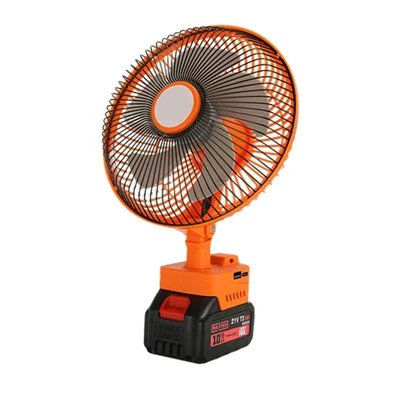
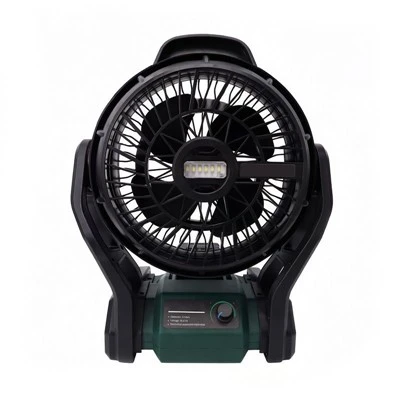
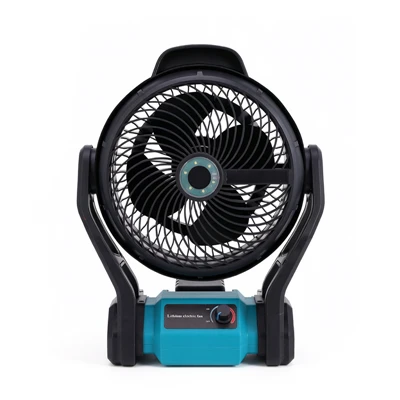
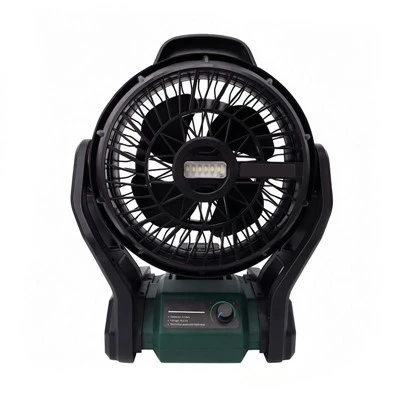
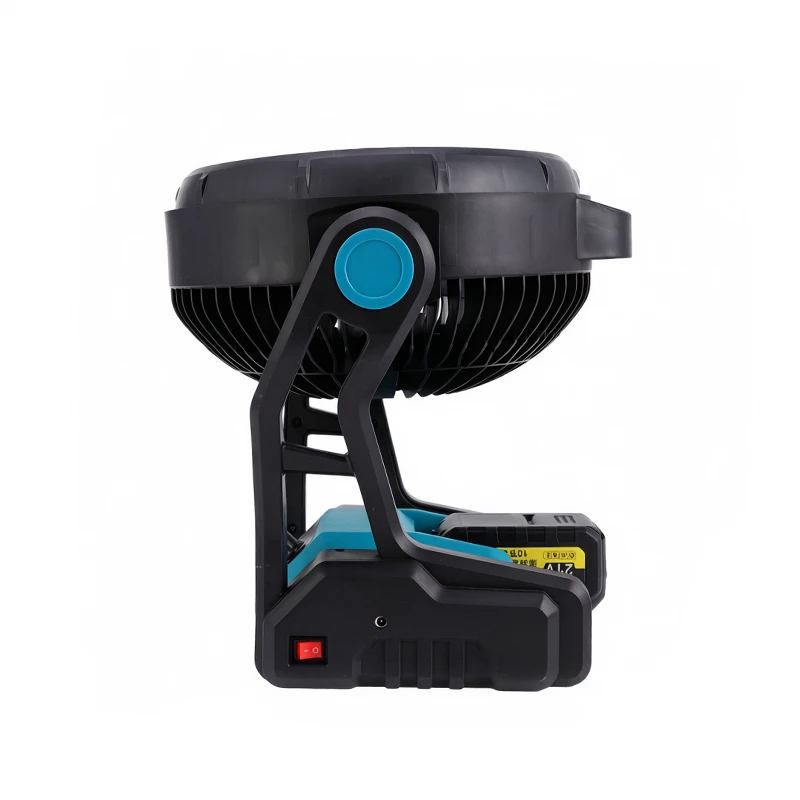
When you're out on the water for hours, staying cool and comfortable is essential. That's where our Fishing Fan comes in. Our fans are designed to provide a steady stream of cool air, even in the hottest weather. Whether you're fishing from a boat or the shore, a Fishing Fan can make your fishing experience more enjoyable.
We offer a variety of fans to suit your needs. The Silent Outdoor Fan is perfect for those who want a quiet fan that won't scare away the fish. It runs quietly while providing ample airflow. If you need a more versatile option, our Outdoor Hanging Fan with Remote can be easily hung from your boat or fishing shelter, and you can adjust the speed and direction with the remote control.
For those who are always on the move, our Portable Fan Lithium Battery is a great choice. It's lightweight and can be carried with you wherever you go. And if you need a powerful fan to combat the heat, our High Powered Outdoor Fan will provide a strong blast of air to keep you cool.
Contact Us for Procurement
If you're interested in enhancing your fishing experience with our high - quality fans, we'd love to hear from you. Whether you're a professional angler, a fishing club, or a retailer, we can provide you with the best Fishing Fan solutions. Contact us to discuss your specific needs, and let's work together to make your fishing trips more comfortable and enjoyable.
References
- "In - Depth Guide to Pike Fishing" by Fishing World Magazine.
- "The Behavior and Habitat of Northern Pike" by Aquatic Ecology Research Institute.
- "Fishing Equipment Handbook" by Outdoor Sports Press.