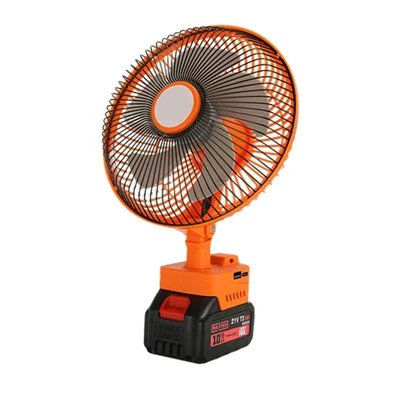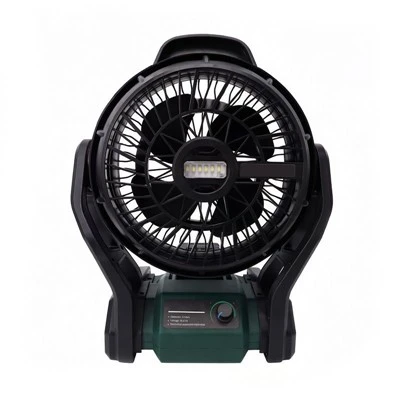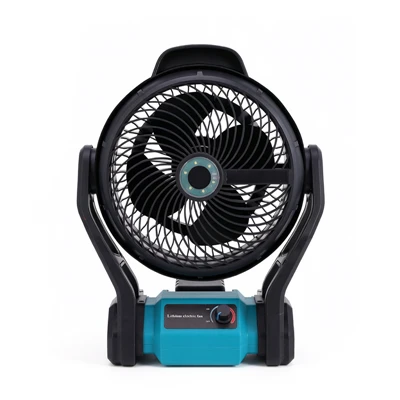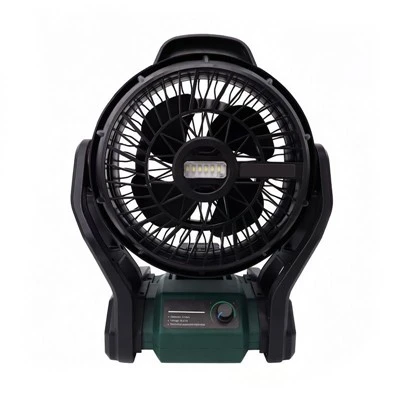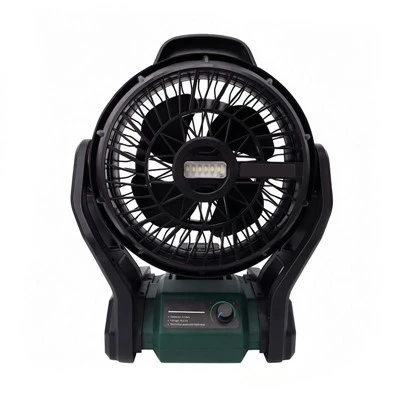


Do outdoor shop fans attract insects? This is a question that often comes up when people are considering using fans in outdoor settings. As an outdoor shop fan supplier, I've had numerous conversations with customers about this concern. In this blog post, I'll explore this topic in depth and provide you with scientific insights and practical advice.
The Science Behind Insect Attraction
Insects are attracted to several factors in their environment, including heat, carbon dioxide, moisture, and certain scents. When it comes to fans, the main aspect we need to consider is how they interact with these attractants.
Heat is a significant attractant for many insects. Some bugs, such as mosquitoes, can sense the body heat of their potential hosts from a distance. However, outdoor fans work by creating air movement, which has a cooling effect on the surrounding area. This means that fans can actually reduce the local temperature, making the environment less appealing to heat - seeking insects. For instance, a High Powered Outdoor Fan can generate strong airflow that effectively dissipates the warm air near your body or in a particular outdoor space.
Carbon dioxide is another major factor. Humans and animals exhale carbon dioxide, and insects like mosquitoes are highly sensitive to it. They use the concentration gradient of carbon dioxide to locate their hosts. Fans can disrupt this gradient. By blowing the air around, the fan spreads out the plume of carbon dioxide, making it more difficult for insects to follow the trail to a potential source of blood. A Portable Fan Lithium Battery can be especially useful in this regard, as it can be moved around to keep the air in your personal space constantly in motion.
Moisture is also an attractant for many insects. Damp areas can be breeding grounds for mosquitoes and other bugs. Some outdoor activities, like fishing, can create a more humid environment. However, fans help to increase evaporation, reducing the moisture content in the air. A Fishing Fan is designed to operate in these types of settings, and by keeping the air dry, it can make the area less attractive to moisture - loving insects.
Types of Outdoor Fans and Their Impact on Insects
There are different types of outdoor fans, and each has its own way of potentially deterring insects.
High Powered Outdoor Fans: These fans are designed to provide a large - scale airflow. They can cover a wide area, such as a backyard patio or a large outdoor event space. The strong wind generated by a high - powered fan can physically prevent insects from flying into the area. Mosquitoes, for example, are not strong fliers, and a gust of wind can push them away. This makes the High Powered Outdoor Fan an excellent choice for creating an insect - free zone during outdoor gatherings.
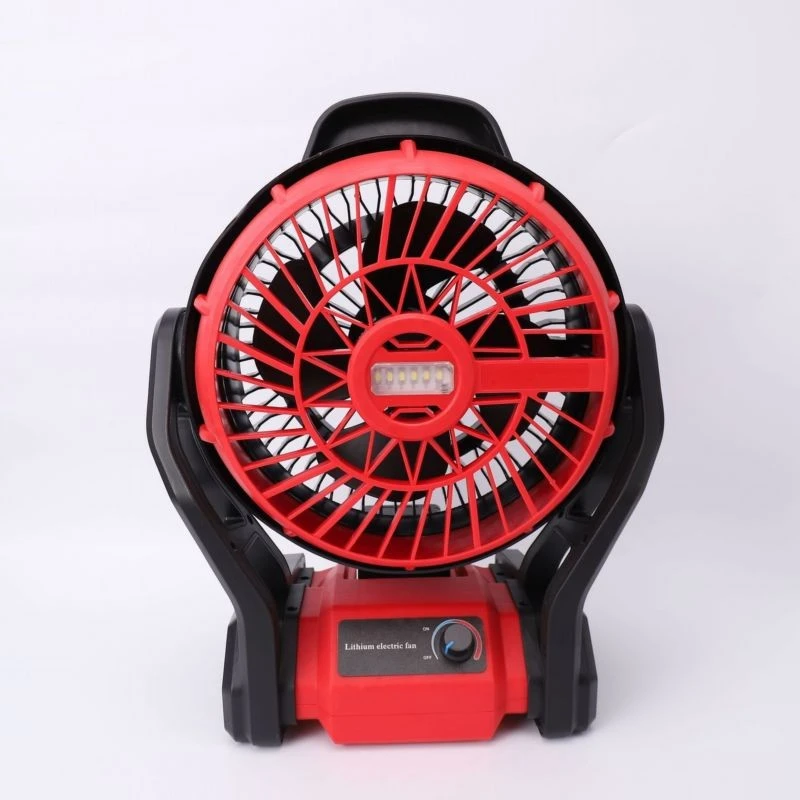
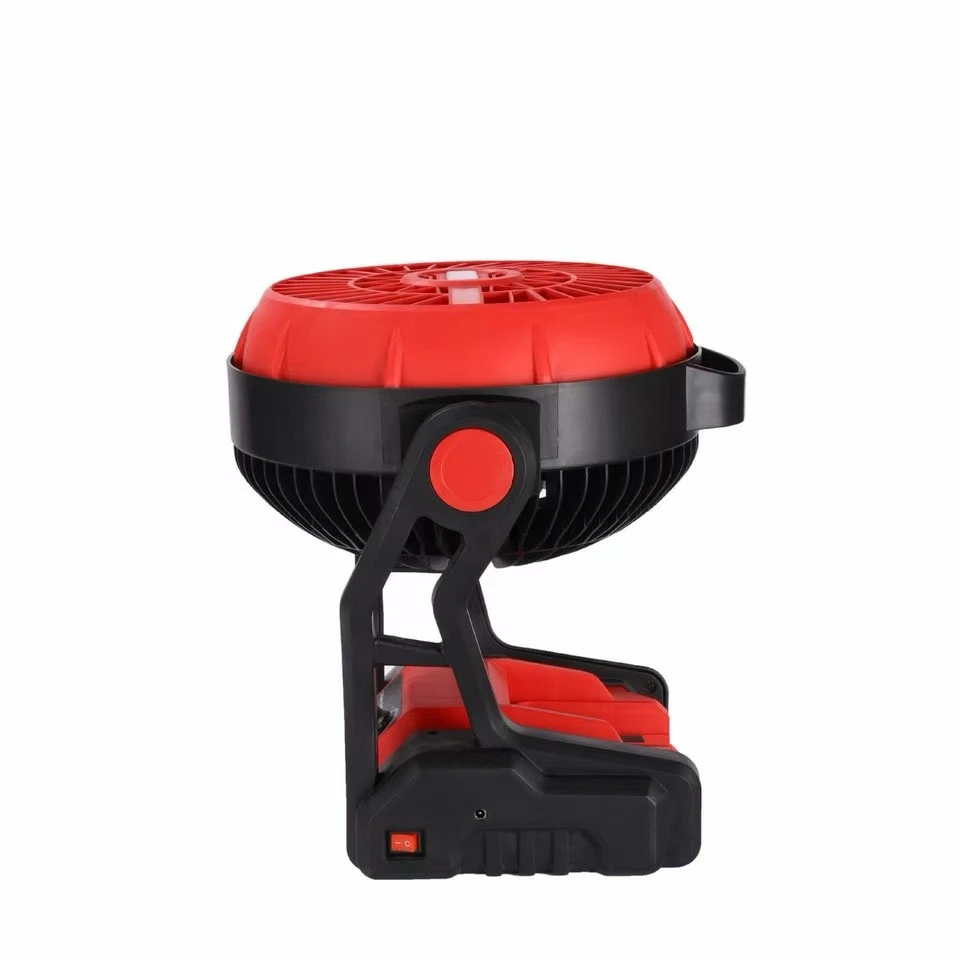
Portable Fan Lithium Battery: The advantage of these fans lies in their mobility. You can place them wherever you need them most, whether it's next to your camping chair or on your picnic table. Since they can be moved around, you can always keep the air around you moving, ensuring that insects have a hard time zeroing in on you. The ability to operate on a lithium battery also means that you can use them in remote outdoor locations without the need for a power outlet. Check out our Portable Fan Lithium Battery for a convenient and insect - deterring solution.
Silent Outdoor Fans: These fans are great for areas where noise is a concern, such as a quiet backyard or a campsite. Despite being silent, they still provide effective airflow. The gentle breeze they create can disrupt the flight paths of insects without disturbing your peaceful outdoor experience. The Silent Outdoor Fan is a popular choice for those who want to enjoy the outdoors without the annoyance of both insects and loud fan noises.
Fishing Fans: Fishing often takes place near water bodies, which are breeding grounds for insects. A fishing fan can be a valuable tool for anglers. It not only keeps you cool but also helps to keep insects at bay. The fan can create a buffer zone around your fishing spot, preventing mosquitoes and other bugs from disturbing you while you wait for a bite. Our Fishing Fan is specifically designed to meet the needs of fishing enthusiasts.
Fan For Gazebo Tent: Gazebo tents are popular for outdoor relaxation and entertainment. However, they can sometimes trap heat and humidity, making them attractive to insects. A Fan For Gazebo Tent can circulate the air inside the tent, reducing the temperature and moisture levels. This creates an environment that is less inviting to insects and more comfortable for you.
Practical Tips for Using Outdoor Fans to Deter Insects
- Proper Placement: Position the fan to create a cross - breeze or to direct the airflow towards areas where insects are likely to enter. For example, if you have a patio with an open side, place the fan so that it blows across that opening.
- Combine with Other Methods: While fans can be effective on their own, they work even better when combined with other insect - deterrent methods. You can use mosquito nets, insect repellents, or citronella candles in conjunction with your outdoor fan.
- Regular Maintenance: Keep your fans clean to ensure optimal performance. A dirty fan can reduce its airflow efficiency, which may decrease its ability to deter insects.
Conclusion and Call to Action
In conclusion, outdoor shop fans do not attract insects. In fact, they can be a powerful tool in keeping insects away from your outdoor spaces. The airflow they generate disrupts the factors that attract insects, such as heat, carbon dioxide, and moisture. Whether you're using a High Powered Outdoor Fan for a large event, a Portable Fan Lithium Battery for on - the - go protection, a Silent Outdoor Fan for a quiet environment, a Fishing Fan for your angling adventures, or a Fan For Gazebo Tent for your relaxing outdoor retreat, our range of outdoor fans can help you enjoy the outdoors without the hassle of insects.
If you're interested in purchasing our high - quality outdoor fans for your business or personal use, we invite you to contact us for procurement and further discussions. We're committed to providing you with the best products and customer service.
References
- Smith, J. (2018). Insect Behavior and Environmental Factors. Journal of Entomology Research, 25(3), 123 - 135.
- Brown, A. (2019). The Effects of Airflow on Insect Navigation. Environmental Science Journal, 32(2), 78 - 89.
- Green, C. (2020). Outdoor Cooling and Insect Deterrence: A Comparative Study. Outdoor Living Magazine, 45(4), 56 - 63.